
How to Choose a Software Development Company When You Can't Judge the Code
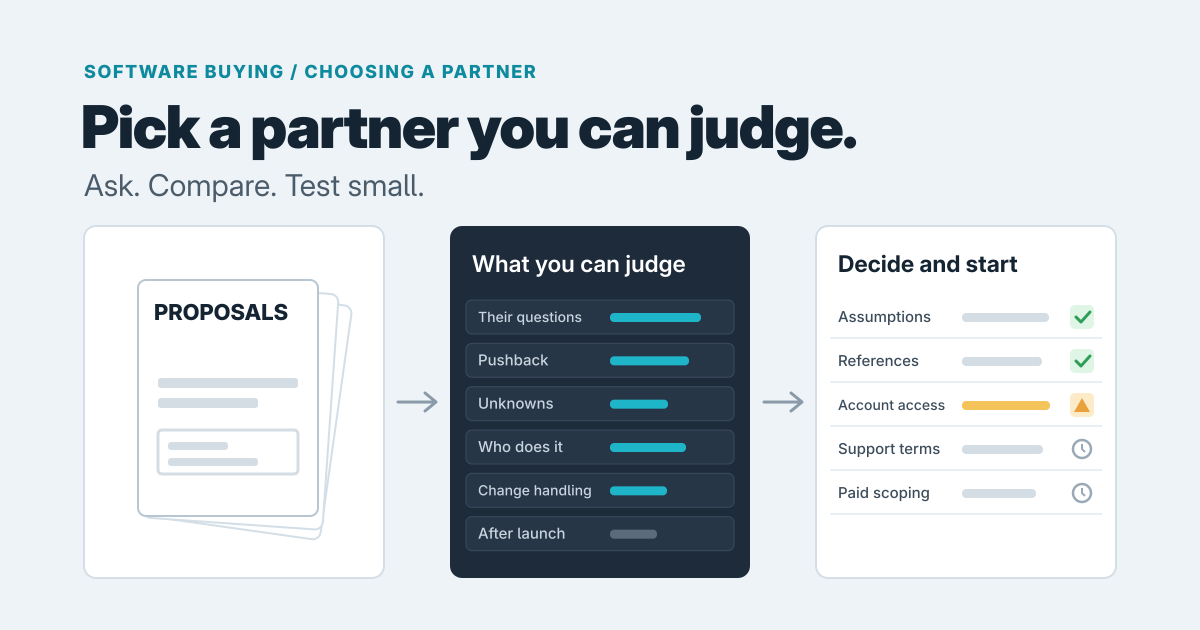
You can't read code, but you can judge a software partner. Learn which questions, proposal details and first-call signals separate a good fit from a risky one.
Clear, practical guides for teams choosing what to build, where AI belongs, and how to make software dependable after launch.
35 articles
You can't read code, but you can judge a software partner. Learn which questions, proposal details and first-call signals separate a good fit from a risky one.
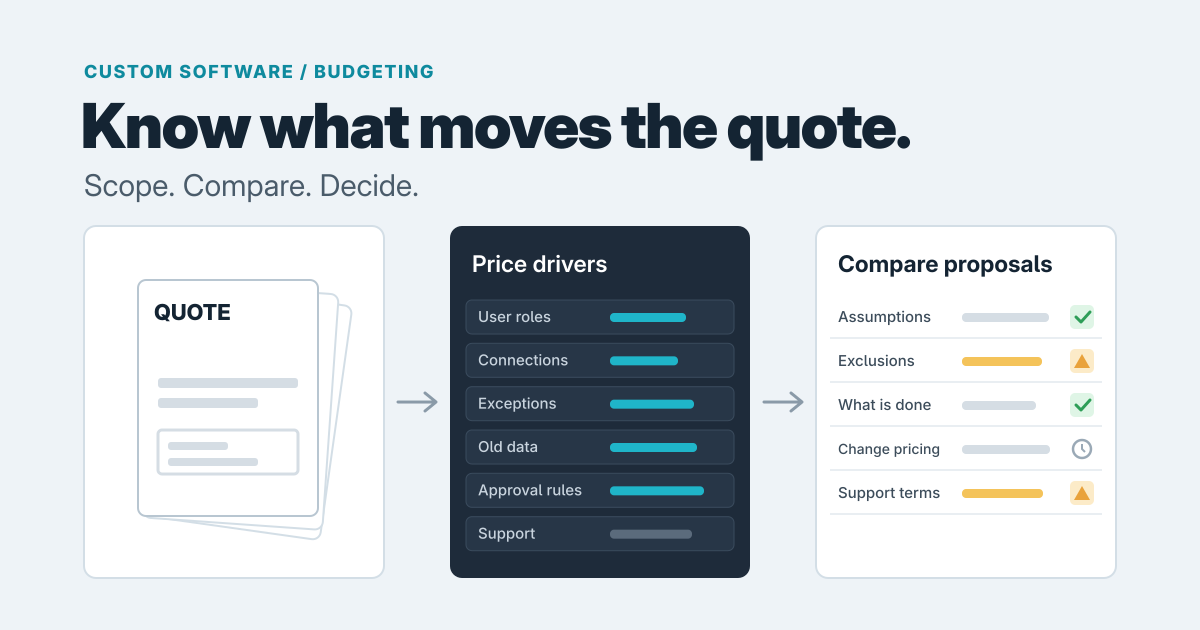
No honest price comes before a conversation. Learn what moves the quote for an internal or business tool, what you can leave for version two, and how to compare proposals on assumptions.
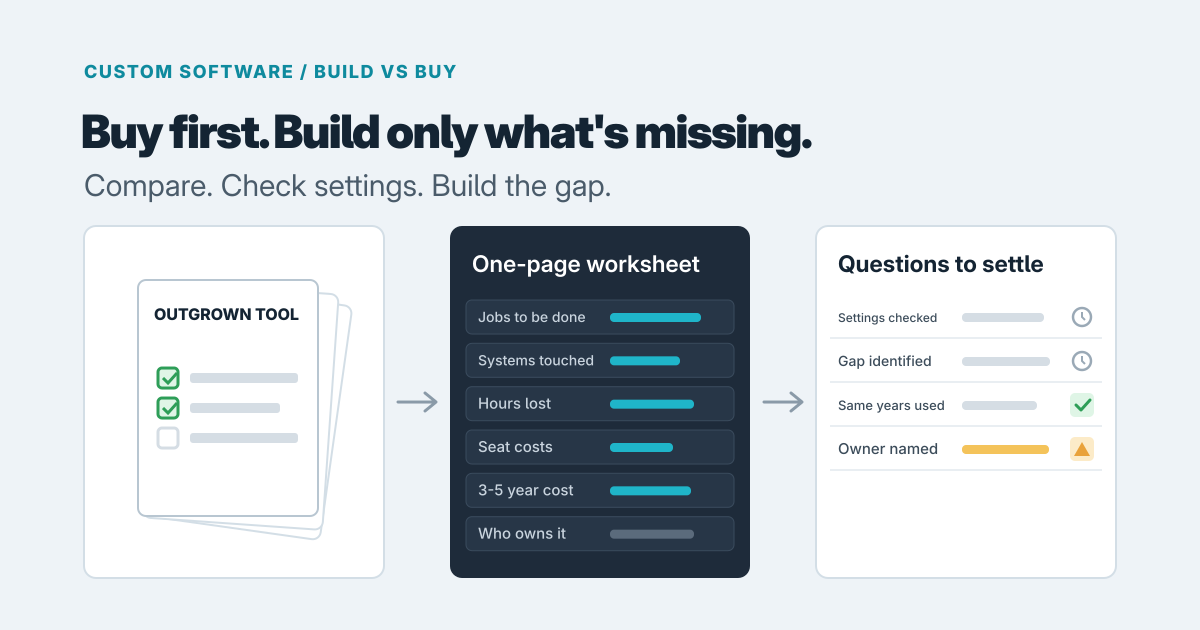
Buy first, unless a few specific conditions hold. Learn what a good ready-made fit looks like, what bending a tool really costs, when custom is justified, and what to bring to a studio.
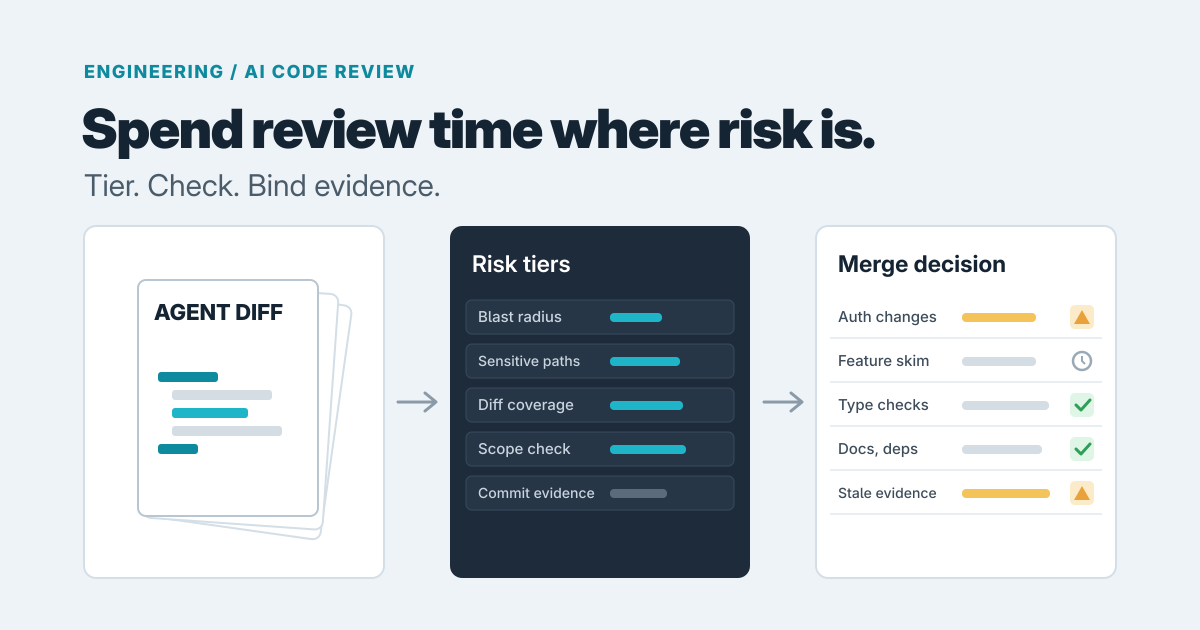
AI-written changes are plausible, large and fast, which breaks old review habits. Sort changes by risk, know what automated checks can prove, and tie evidence to the exact commit.
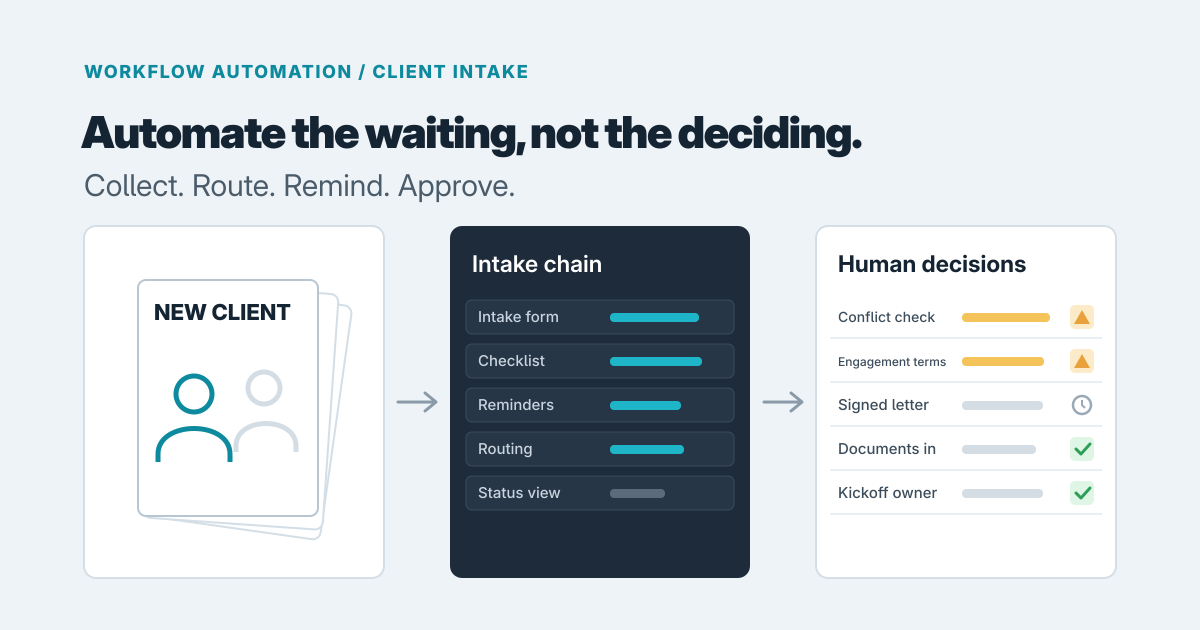
Client intake usually breaks at the handoffs between sales, admin and delivery. Learn what to automate, what stays a human decision, and when a tool, light automation or custom workflow fits.
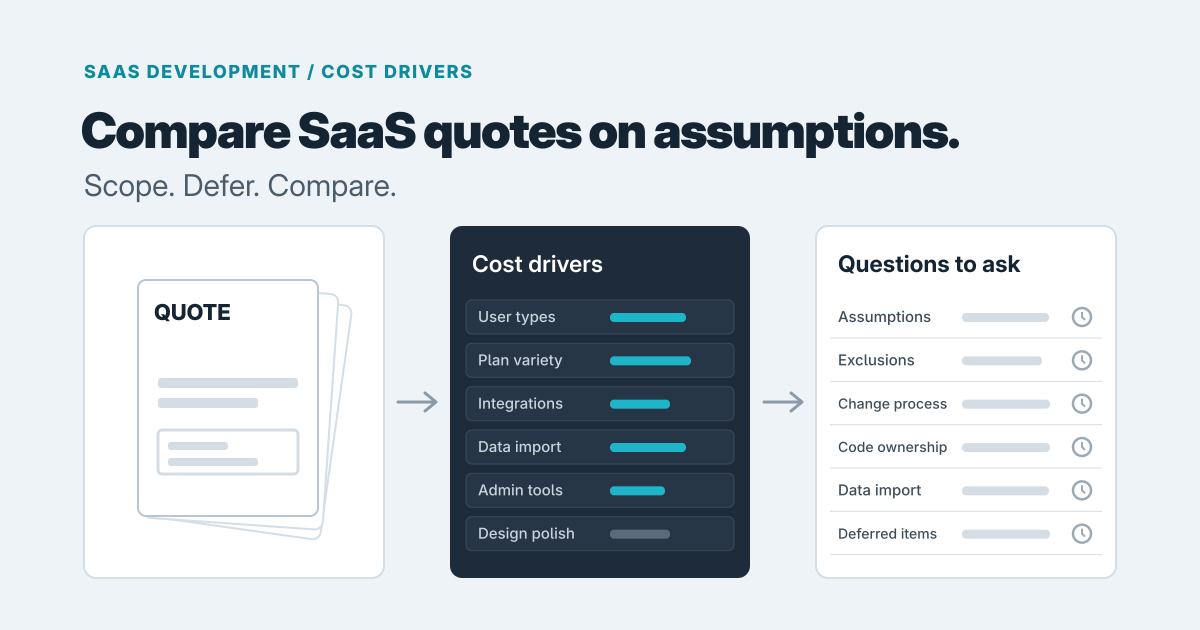
No honest quote starts from a screen count. Learn which decisions inflate a first SaaS build, which are cheap to defer, and how to compare proposals on assumptions.
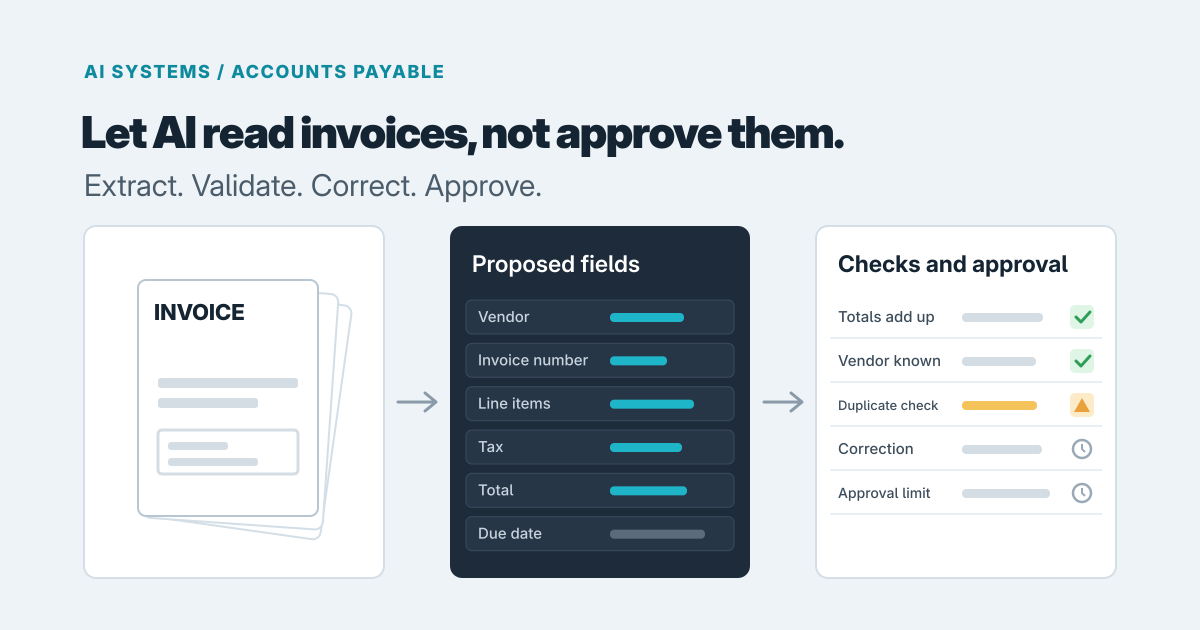
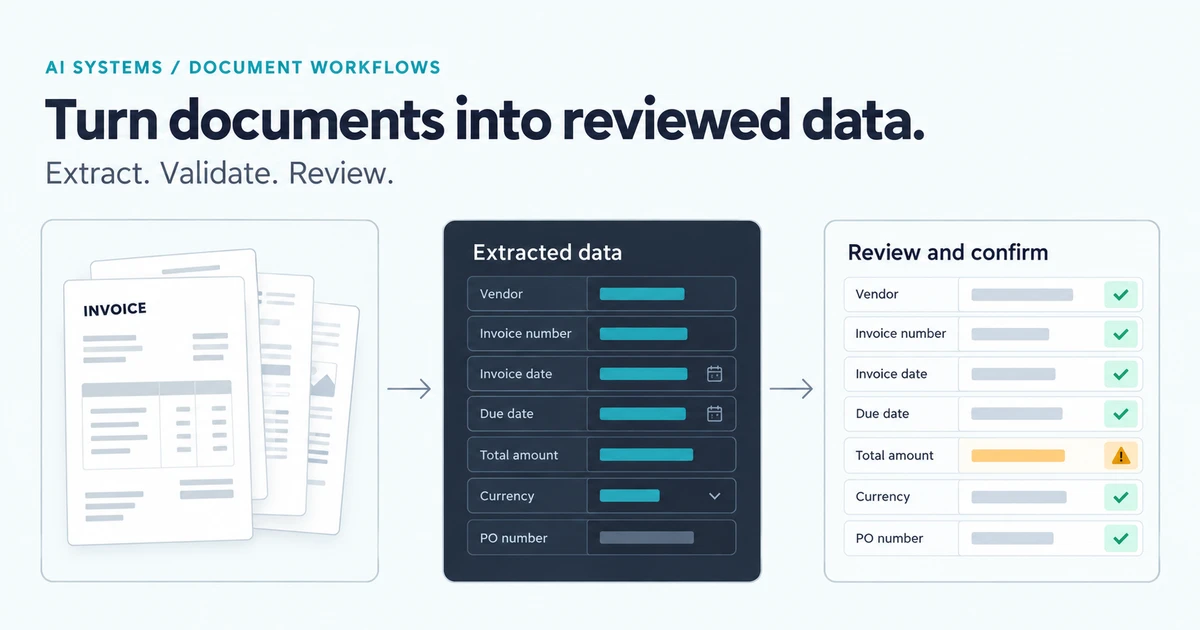
AI can read invoices well enough to save real time, but it shouldn't decide what gets paid. Learn when built-in capture is enough and when a custom AP workflow with review is justified.
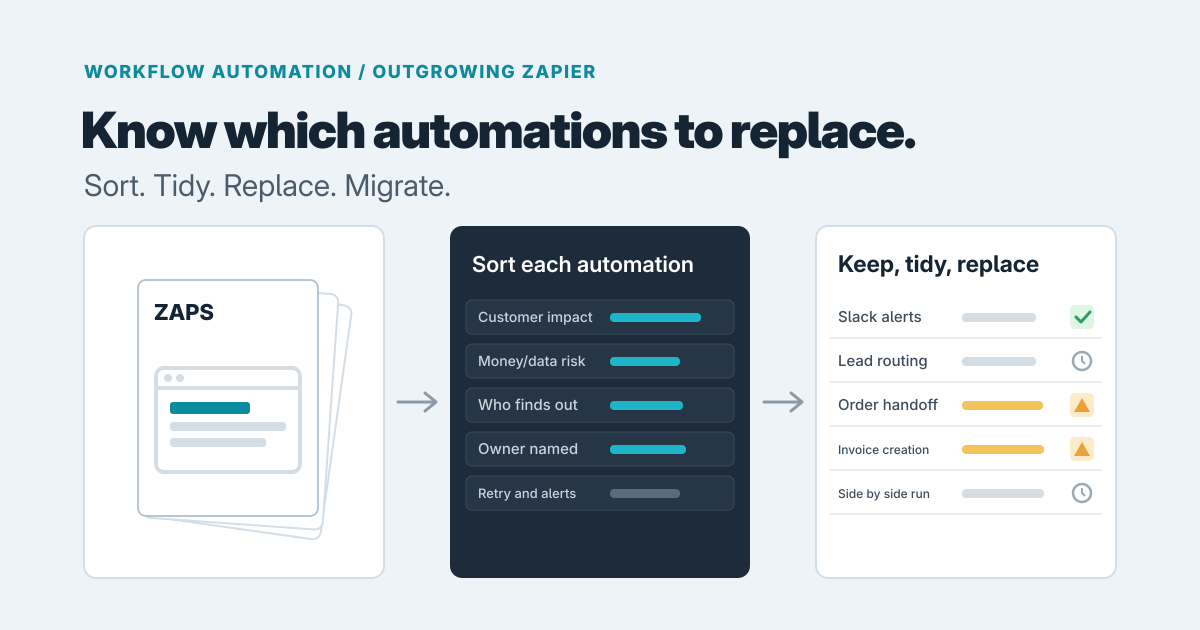
Zapier is a good place to start and a poor place to hide a critical process. Learn which automations to keep, tidy or replace, and when custom workflow software is justified.
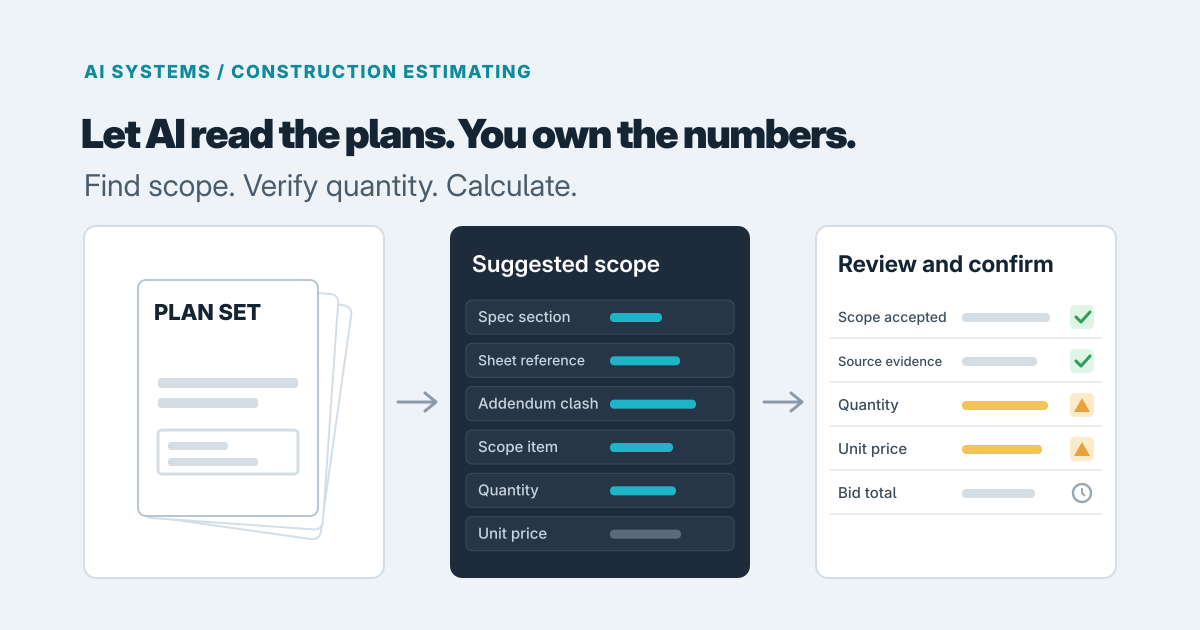
AI can help find and organize scope in drawings and specs, but quantities and prices need a person, and the cost math should stay deterministic. Here's how to judge tools and custom builds.
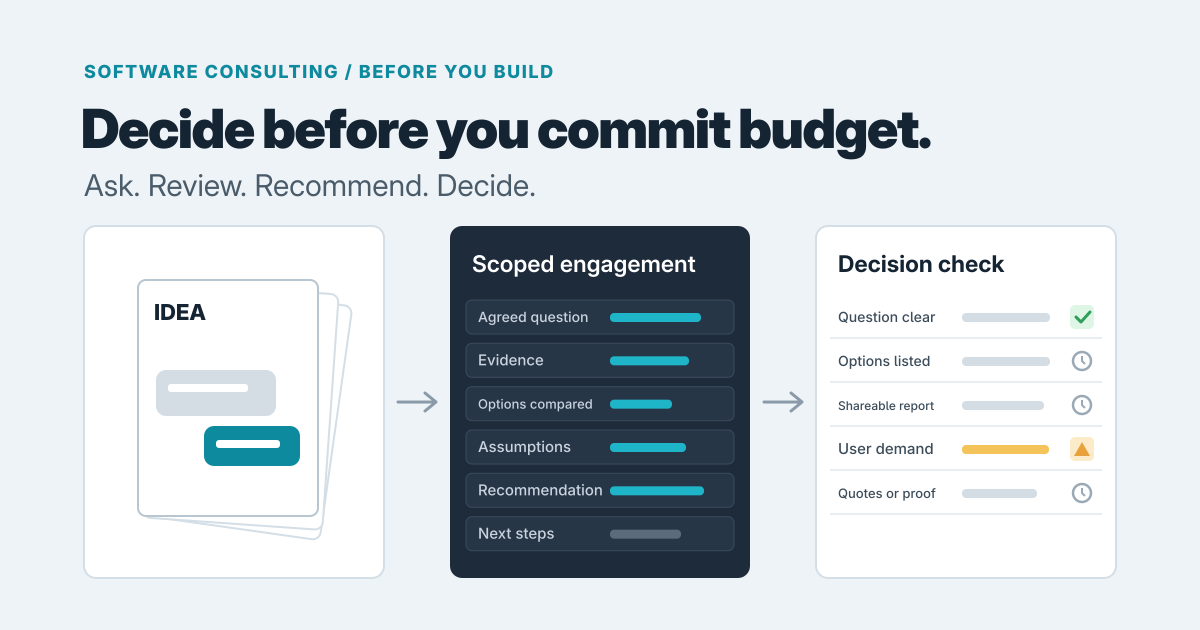
Paid advice pays off when several approaches are plausible and a wrong pick is expensive. Learn when quotes are enough, what a consulting deliverable should contain, and how to word the question.
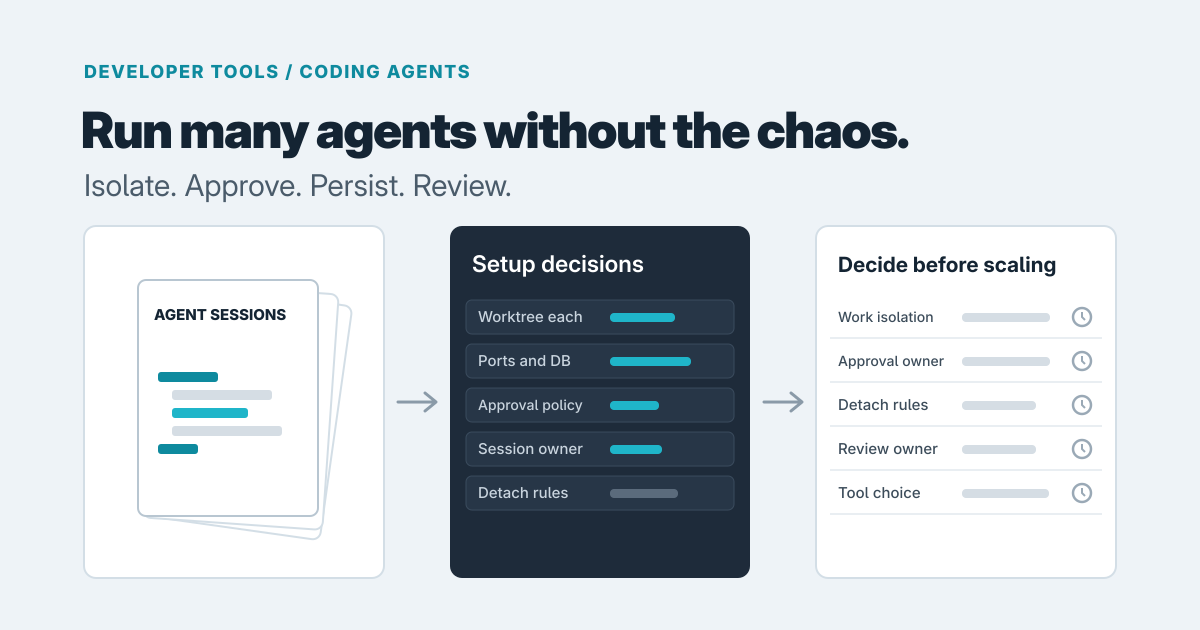
Developers are starting to run Claude Code or Codex in parallel. Here's what to decide about isolation, approvals and session ownership before it turns into chaos, and when simple tools are enough.
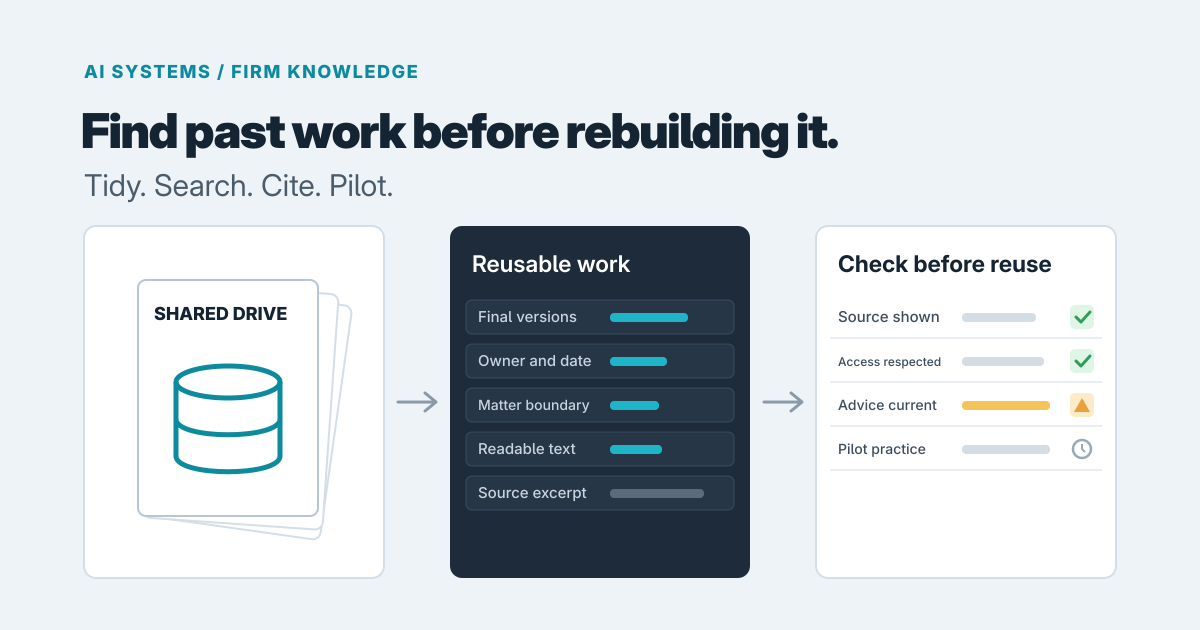
Useful past work is buried in shared drives and old email. Learn when better folders or built-in search are enough, and when an AI retrieval tool is worth building or buying.
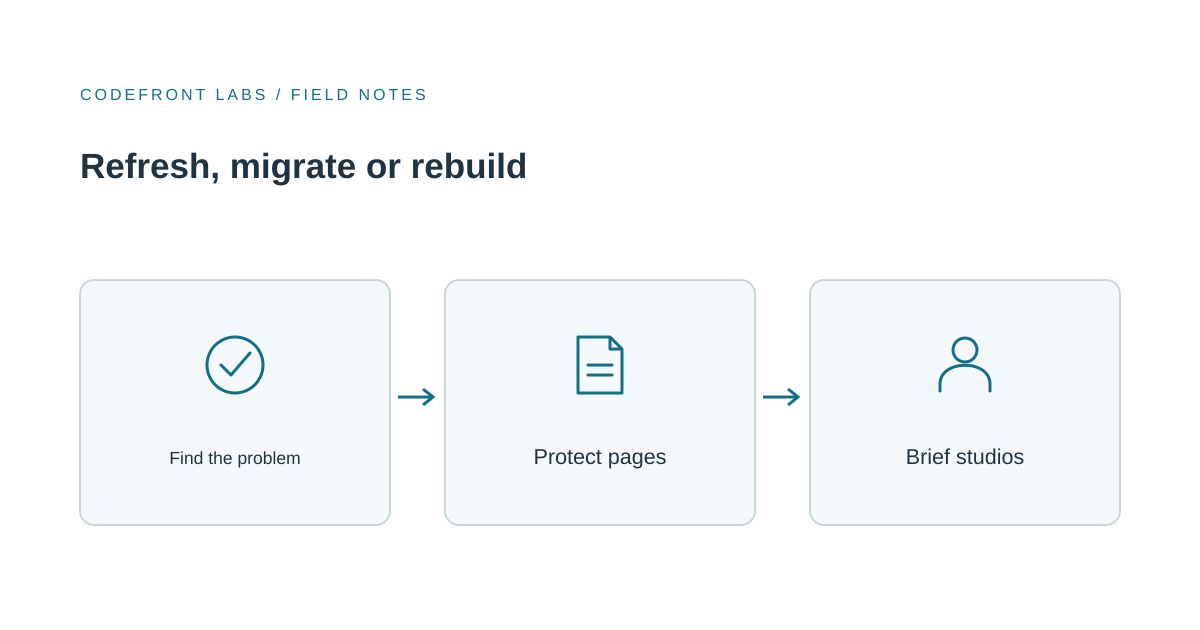
An aging website doesn't always need a rebuild. Learn how to tell a visual refresh, a platform move and a true rebuild apart, what to protect, and how to brief a studio.
Tired of status emails? Compare a dedicated portal product, your CRM's portal and a custom build, and learn when a ready-made option is enough.
Before you ask for app quotes, work out what the phone has to do. A practical guide to when a mobile-friendly website is enough, and when an app is worth building.
Steady traffic but few contact requests? Work out whether the problem is the offer, the next step or the phone experience, and whether to edit, restructure, re-platform or rebuild.
Test what you can take out of a SaaS or agency-built system, what would break if you left, and whether to renegotiate, export regularly, switch or rebuild.
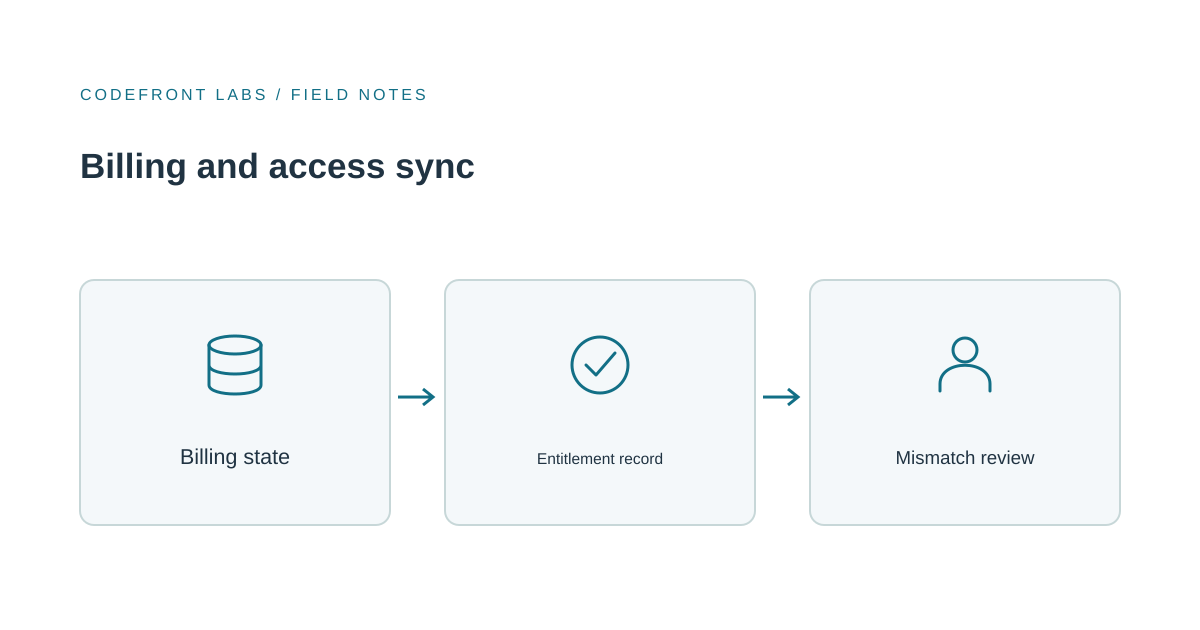
A paying customer who still sees the free plan usually points to a gap between billing and access. Here's how to find it and when a simple fix is enough.
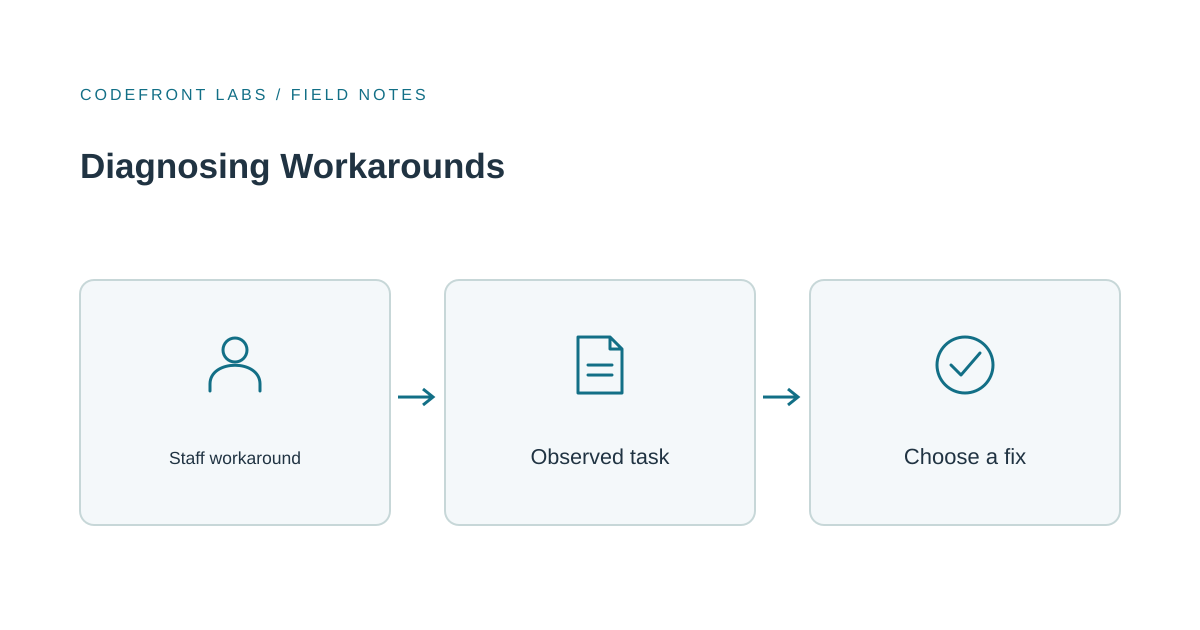
When staff keep side spreadsheets after an internal app launches, the tool and the work disagree somewhere. Here's how to find where, and what to change.
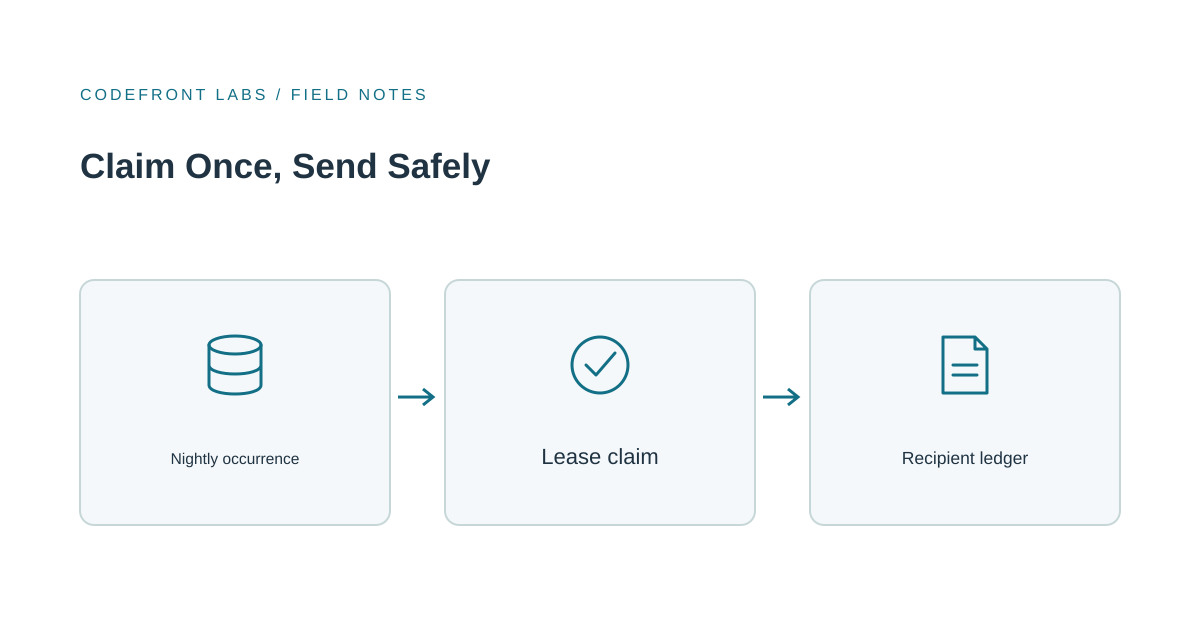
When a nightly reminder or export fires twice, the cause is usually who owns the schedule. Here's how to think about fixing it and when a simple fix is enough.
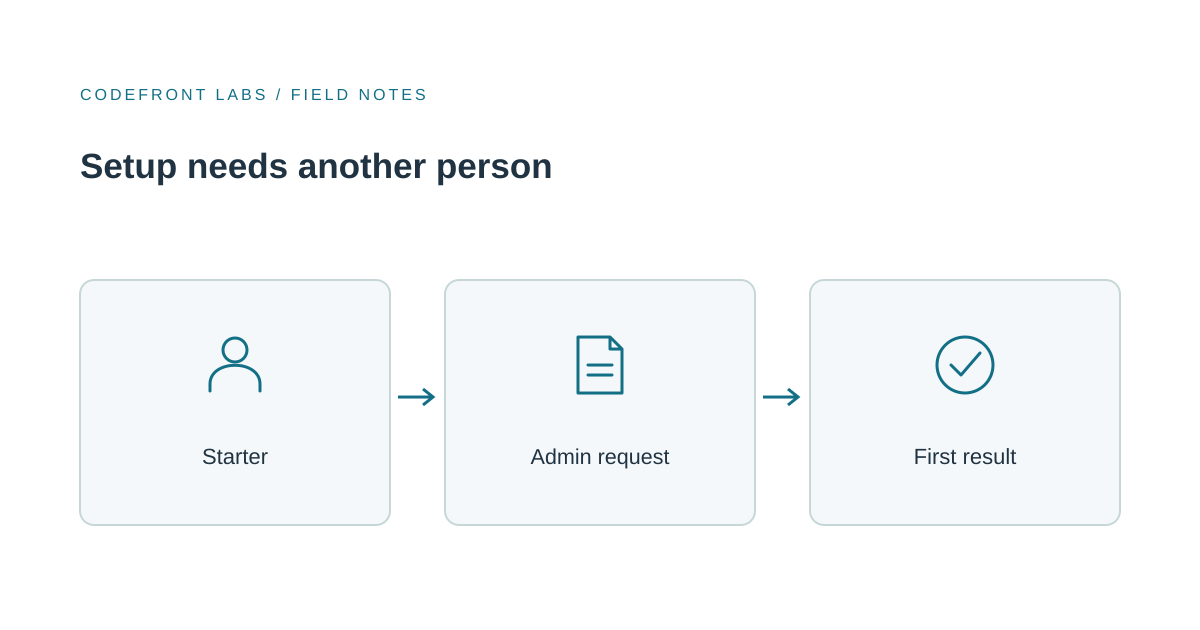
When new customers need an administrator to finish setup, the stall is easy to misread. Here's how to tell a real approval wait from a dead end, and what to build.
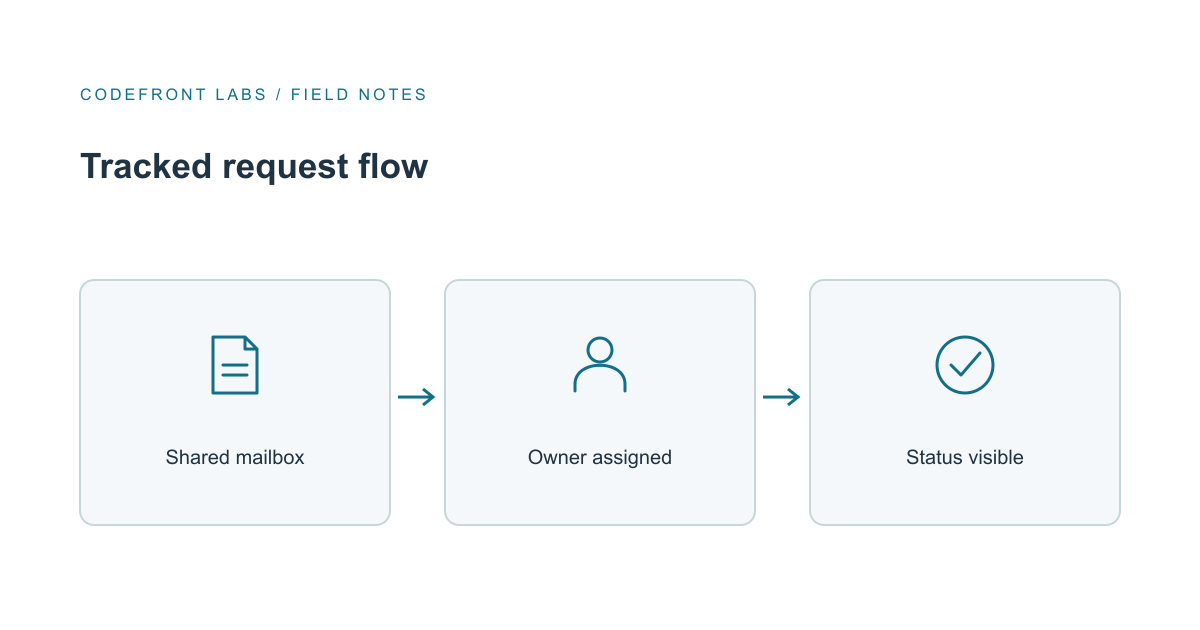
A shared inbox works until requests start slipping. Here's how to spot the point where it costs you customers, what to try first, and when custom software is justified.
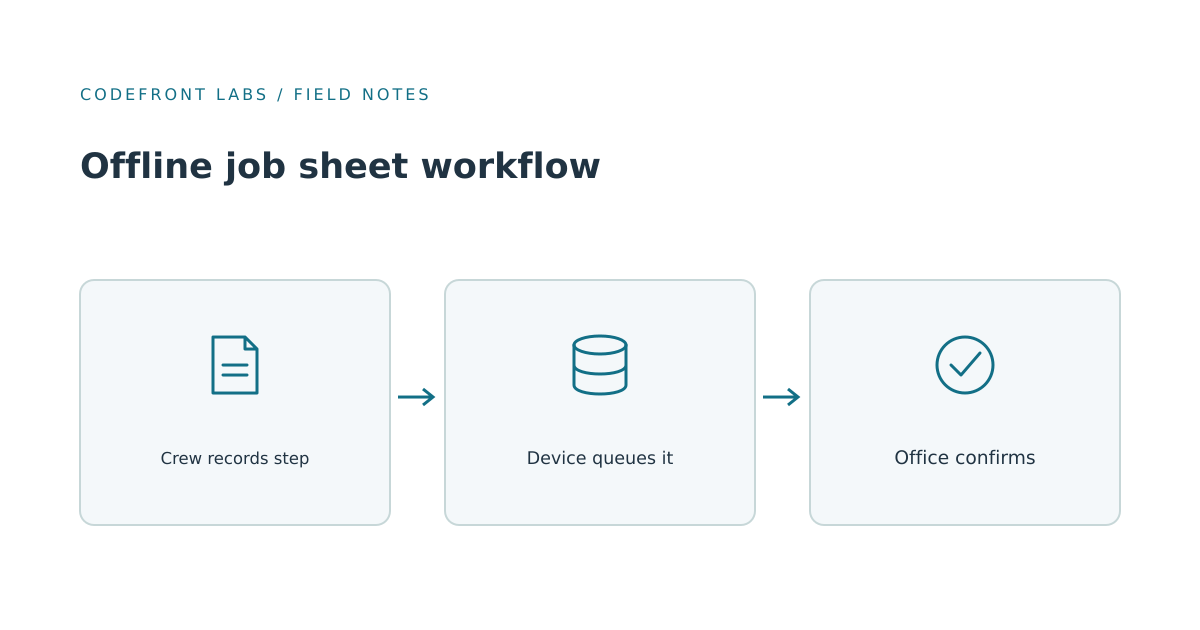
Technicians lose signal in basements, rural routes and mechanical rooms. Here's how to think about offline job sheets, dispatch conflicts, and whether to buy or build.
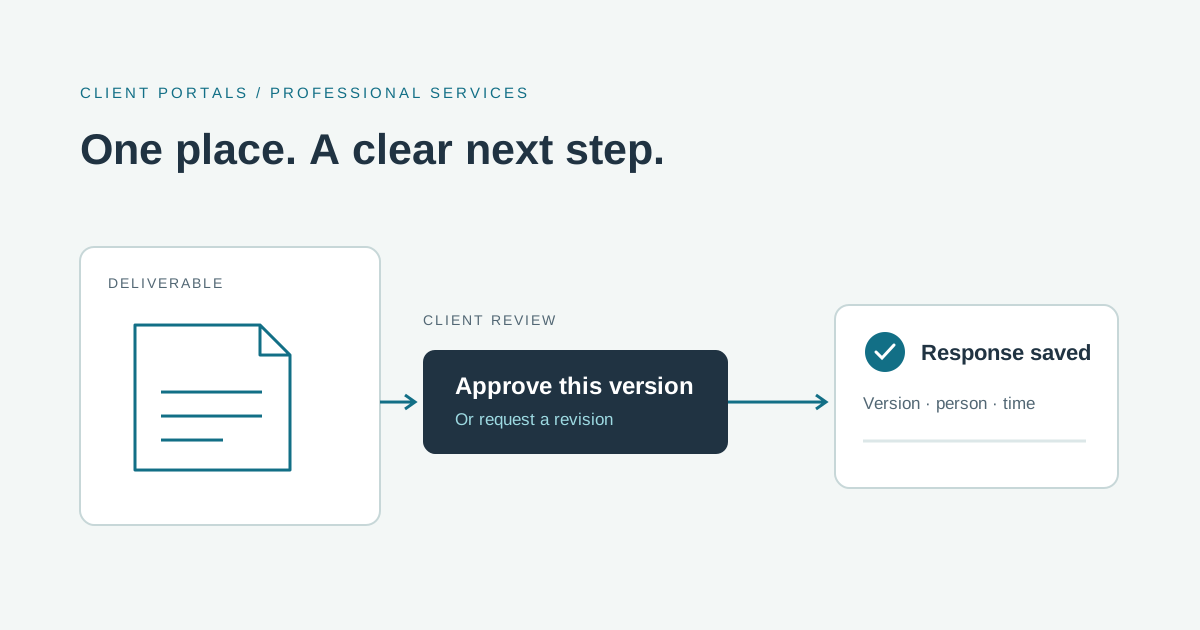
Clients chasing updates and approvals buried in email? Scope a client portal around document exchange, clear next steps, and a usable approval record.
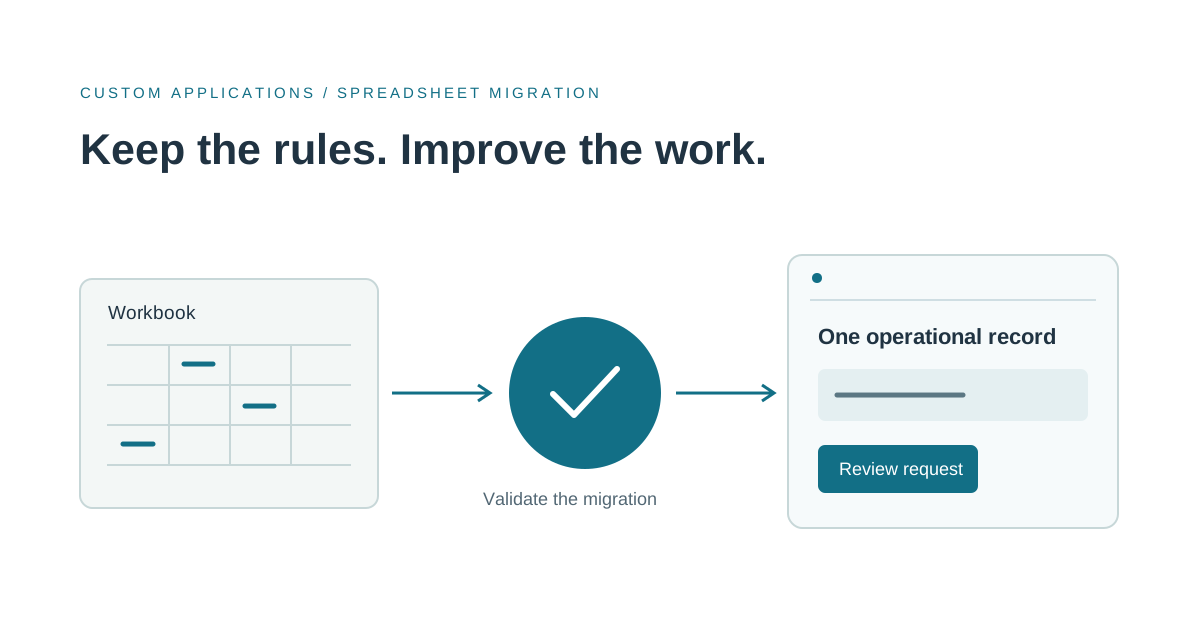
When a shared workbook becomes your operations system, plan the move around records, formulas, exception handling, and a controlled cutover.
Still copying PDF details into business software? Learn how to scope AI document processing around one document type, validated fields, and a practical review queue.
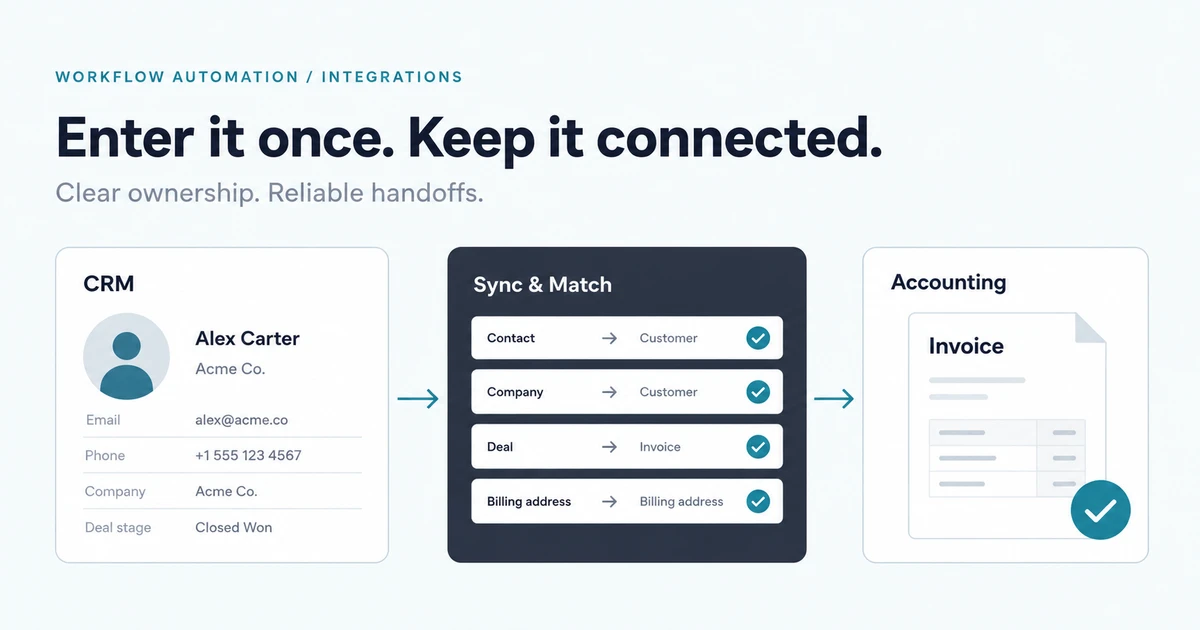
A practical guide for businesses connecting sales and finance: choose record ownership, prevent duplicate writes, and scope a reliable CRM-to-accounting integration.
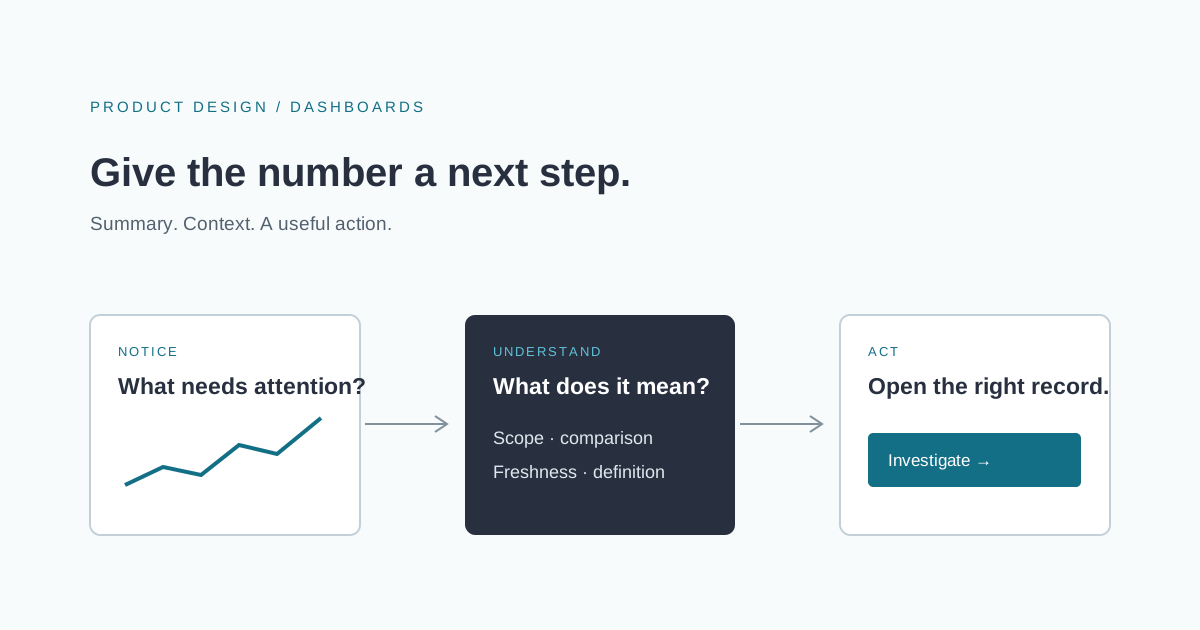
How to design a business dashboard around decisions, meaningful comparisons, trustworthy data, and a clear route from a metric to the work behind it.
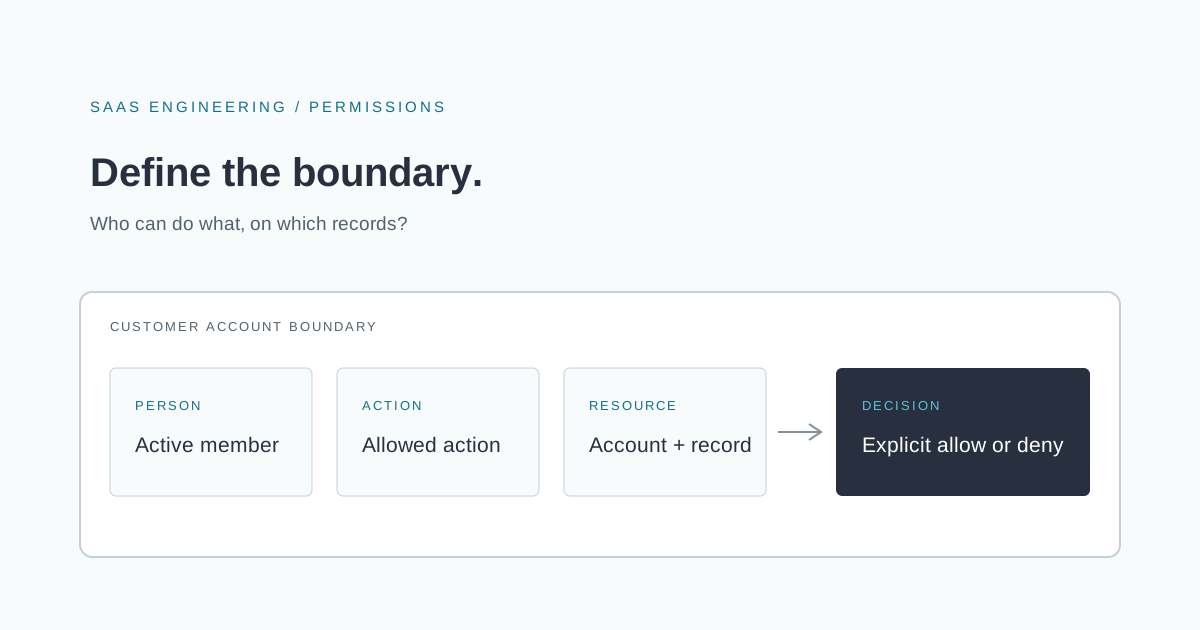
A practical guide to SaaS access control: define who can act on which records, separate roles from account boundaries, and test revocation and denied access.
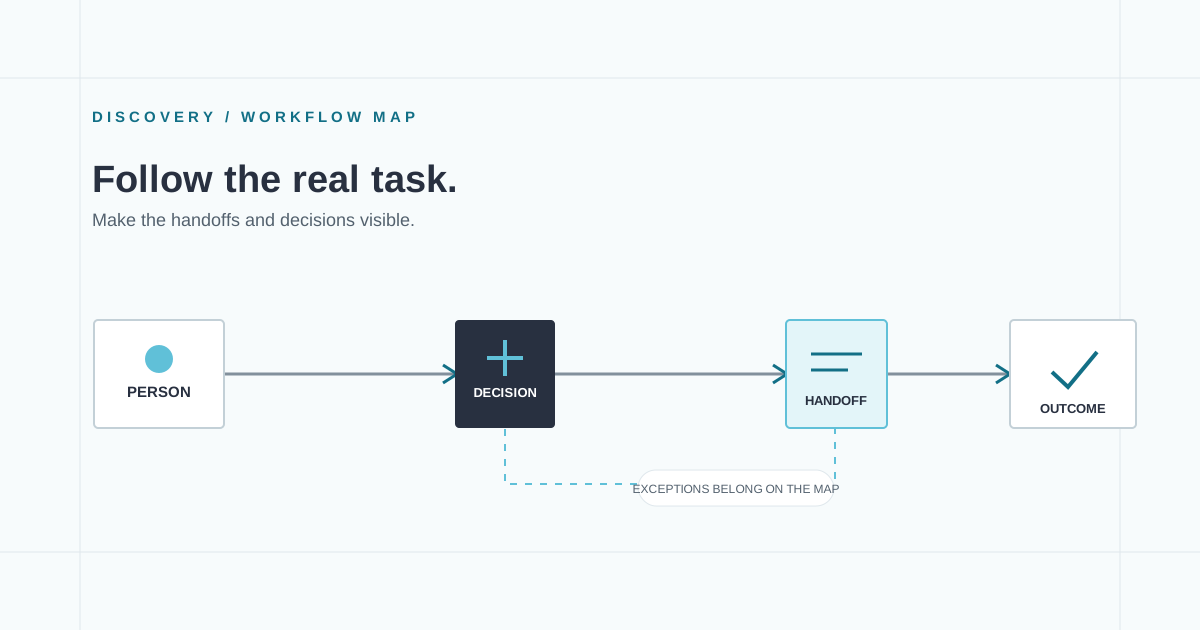
A practical discovery guide for teams weighing custom software: trace the real task, its handoffs, decisions, exceptions, and evidence before writing a feature list.
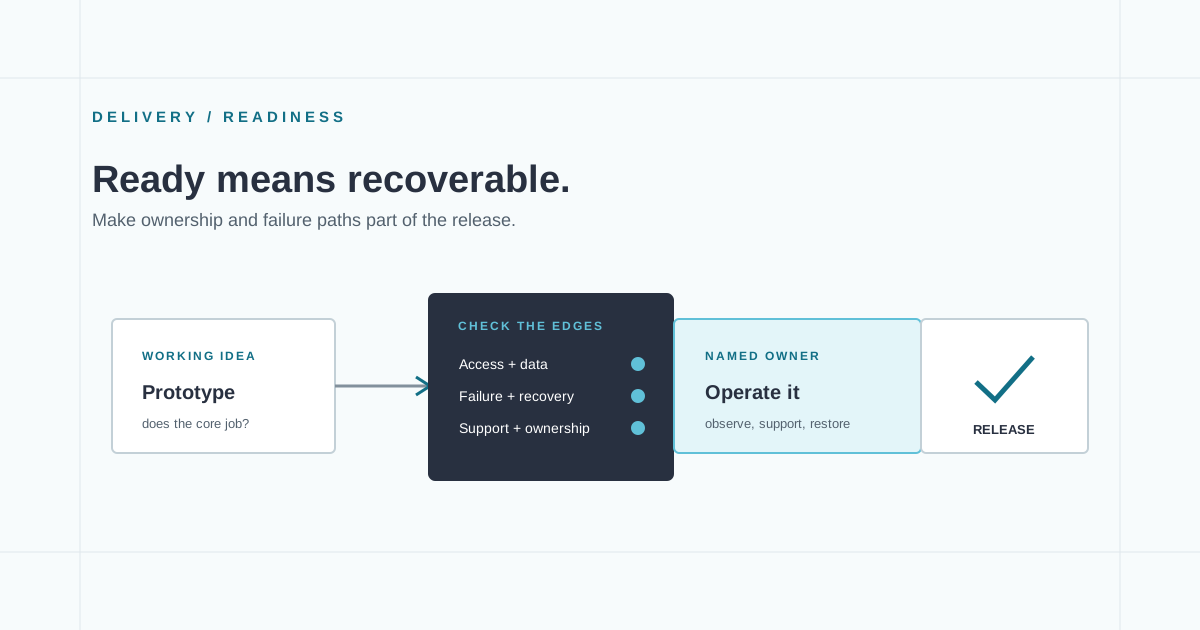
A practical readiness checklist for turning a working prototype into software people can rely on, from access and data handling to support and rollback.
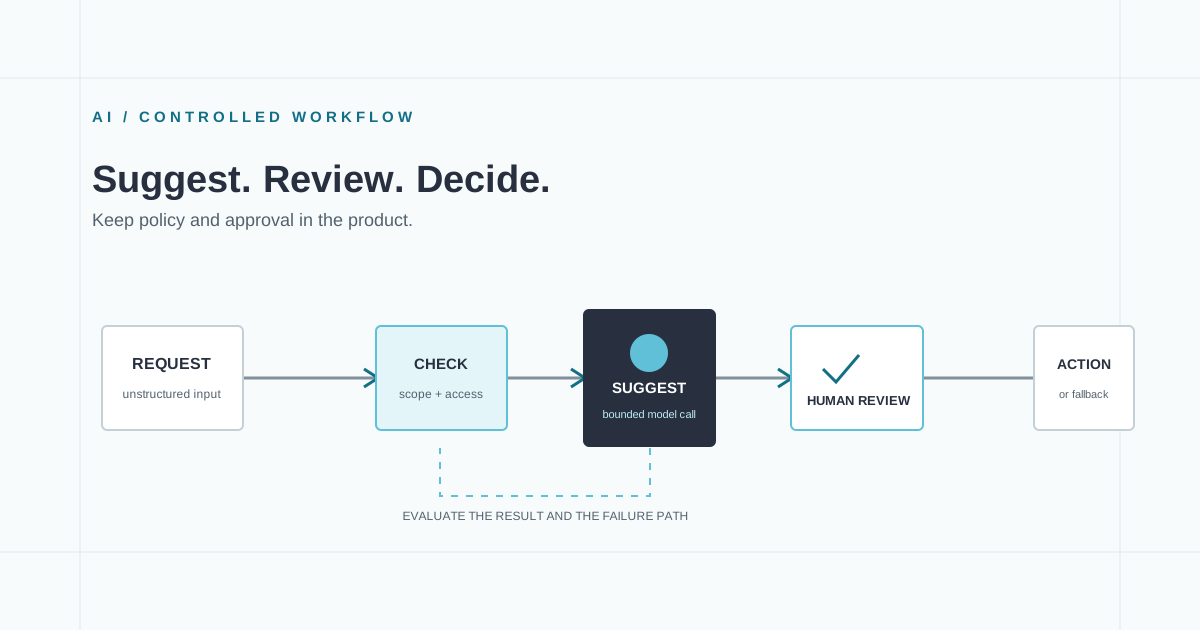
A decision guide for adding AI to business workflows: identify judgment-heavy tasks, keep deterministic rules where they fit, and design review and recovery before launch.
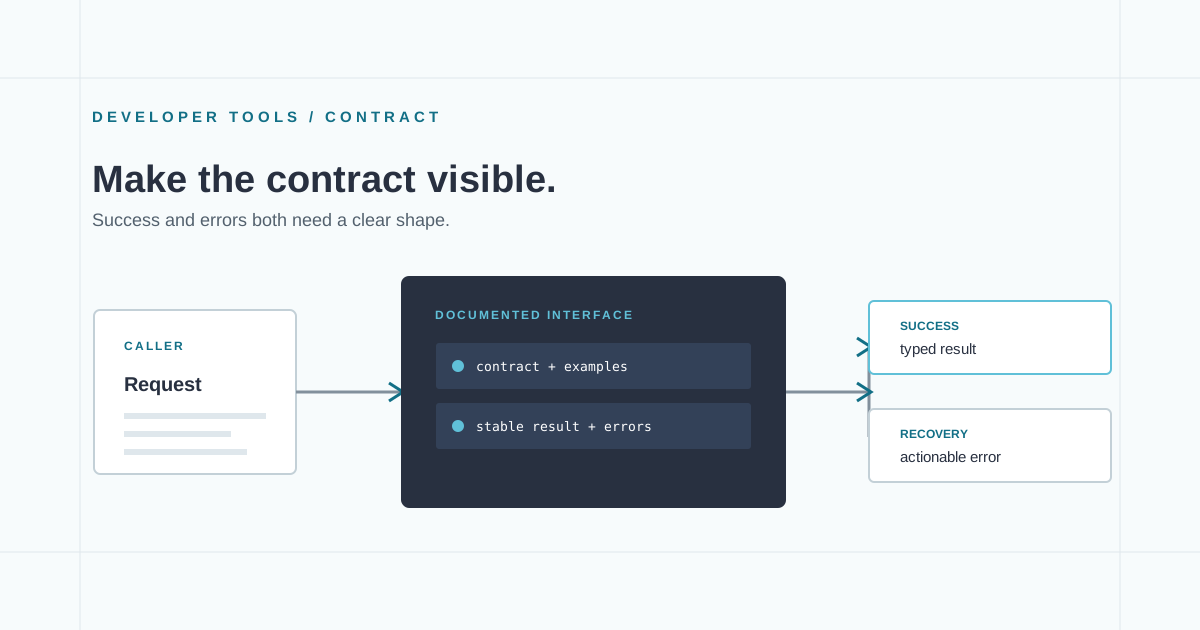
A practical guide to developer-facing software: stable contracts, useful errors, safe retries, runnable examples, and feedback that makes integrations easier to operate.
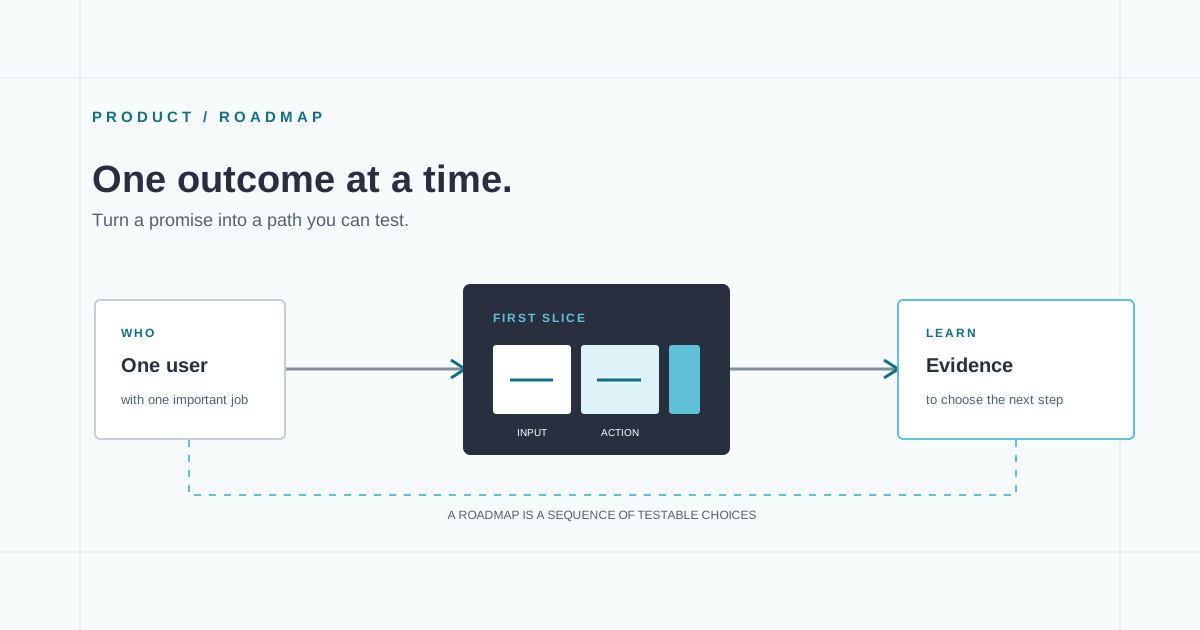
Replace feature-first SaaS planning with a clear user outcome, a narrow end-to-end slice, and evidence that tells you what to build next.
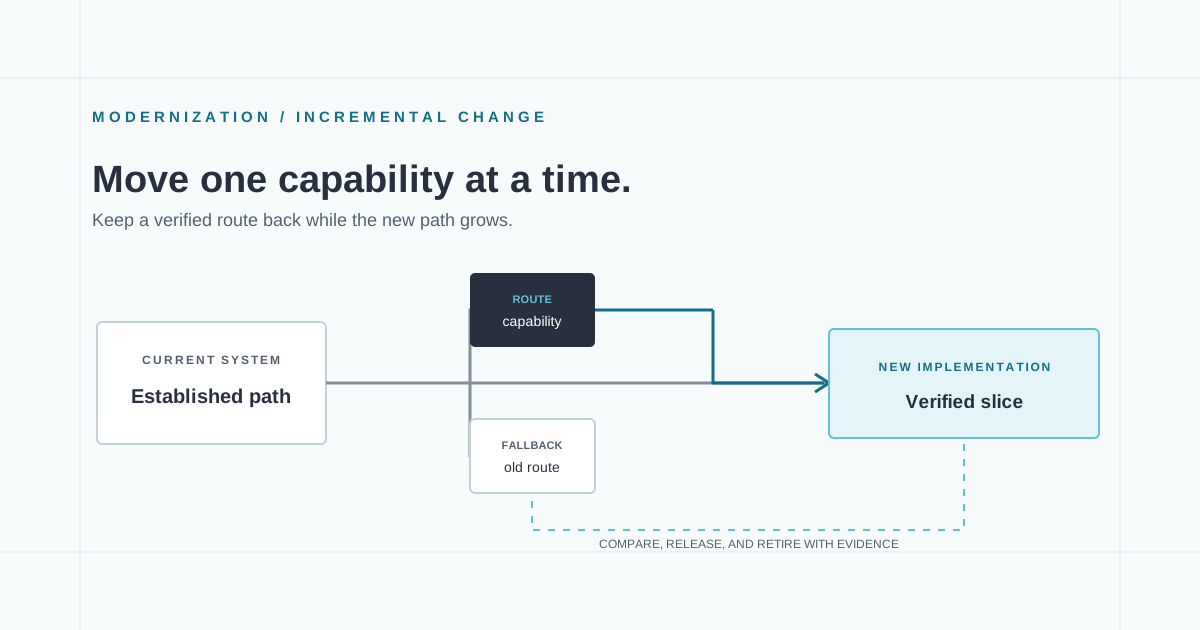
A risk-aware guide to legacy modernization: find a bounded seam, preserve the working path, verify data and behavior, and move one capability at a time.