
If your site gets steady visits but few inquiries, don't start by redesigning it. Start by finding out which of three things is failing: visitors don't understand what you offer, they can't see what to do next, or the page is hard to use on a phone. Most sites have one dominant problem, and it decides whether you need a copy edit or a new site.
For example, say a small accounting firm gets a decent stream of visitors, and its homepage opens with "Trusted financial partners for your future." Sales calls keep starting with the same questions: do you work with businesses our size, what does it cost to get started, and what happens in the first month? The site never answered any of them. Nothing is broken. It just isn't doing the job a salesperson would do.
Look at the site the way a visitor does
Pick the three or four pages people actually land on, not the homepage you assume they see. Your analytics will show them. Then open each one on your phone, cold, and ask a stranger's questions. What does this company do? Is it for someone like me? What do I do next?
There's research behind keeping this simple. Nielsen Norman Group's long-running studies, summarized in their retrospective on 20 years of research, found that people often leave pages within 10 to 20 seconds, that a clear value proposition can hold attention longer, and that on an average page users have time to read at most 28% of the words. Those figures are old and cover general websites, not service businesses specifically, so treat them as a reason to be plain, not as a benchmark for your site.
Then put that next to your sales conversations. List the five questions prospects ask before they're ready to talk. For each one, check whether the landing pages answer it in the first screen or two. Gaps here are usually the cheapest wins on the site.
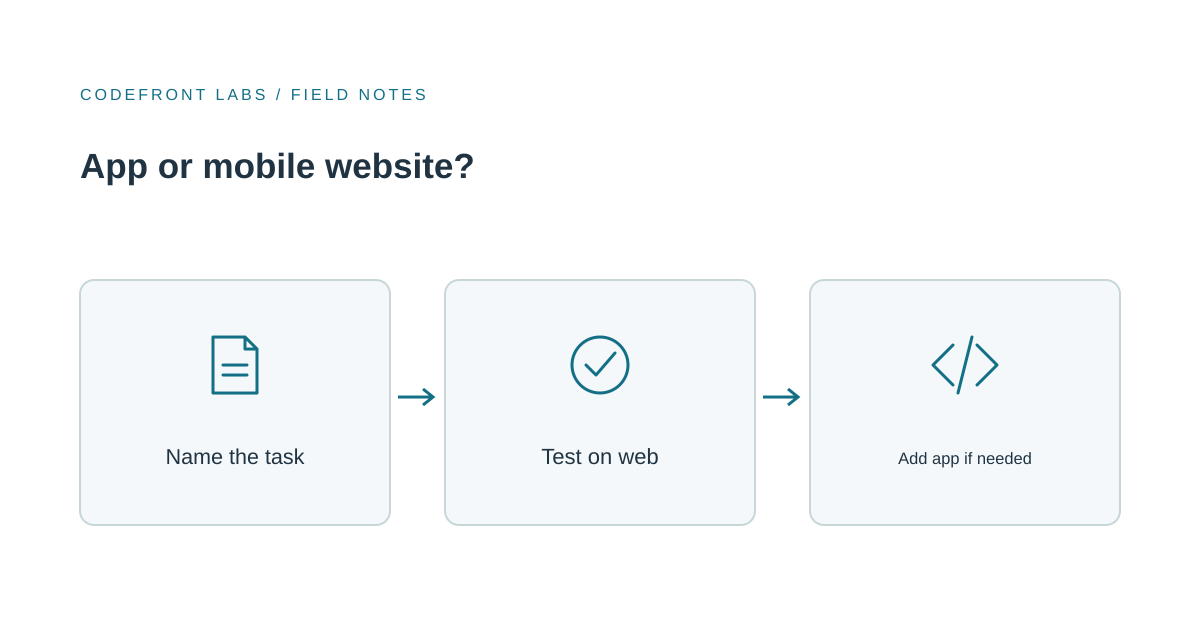
Sort the problem into one of three causes
They don't understand the offer. The headline is clever or vague, the first screen doesn't say who it's for, and the real answers sit three clicks deep. This is a writing and page-structure problem, and a new platform won't fix it.
They can't find the next step. The contact link is buried in a menu, every page ends differently, or the form asks for more than a first conversation needs. Visitors who are interested still drift away.
The page is slow or awkward on a phone. Google's Core Web Vitals thresholds give a useful yardstick: a good page loads its main content in 2.5 seconds or less, responds to taps within 200 milliseconds, and keeps layout shift at 0.1 or less. Google reports mobile and desktop separately, so check the phone numbers specifically. That page says what good looks like. It doesn't say that speeding up a page produces more inquiries, so use it to rule out a clear problem, not to promise a gain.
Fix the offer and the next step first
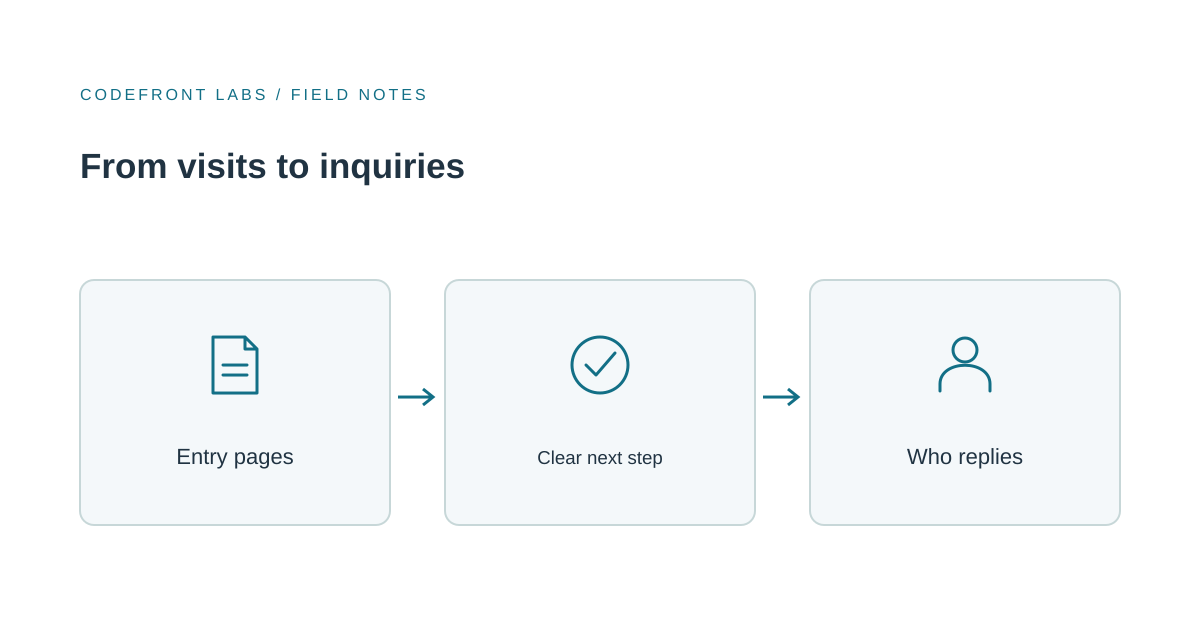
Before touching design, rewrite the top of your main entry pages. Say what you do, who it's for and what to do next, in everyday words. Add proof you can honestly show: real client types you serve, a process people can picture, credentials, or a named person. If you don't have case results you can publish, don't invent them. A plain explanation of how engagements start is often more persuasive than a vague claim.
Then give each page one clear next step, repeated sensibly, and keep the inquiry form short. Every field should earn its place: ask your sales team what they do with each answer, and drop the ones nobody uses. We'd rather not quote form-length statistics here, since the commonly cited figures mostly come from checkout research, not inquiry forms.
Four responses, from light to heavy
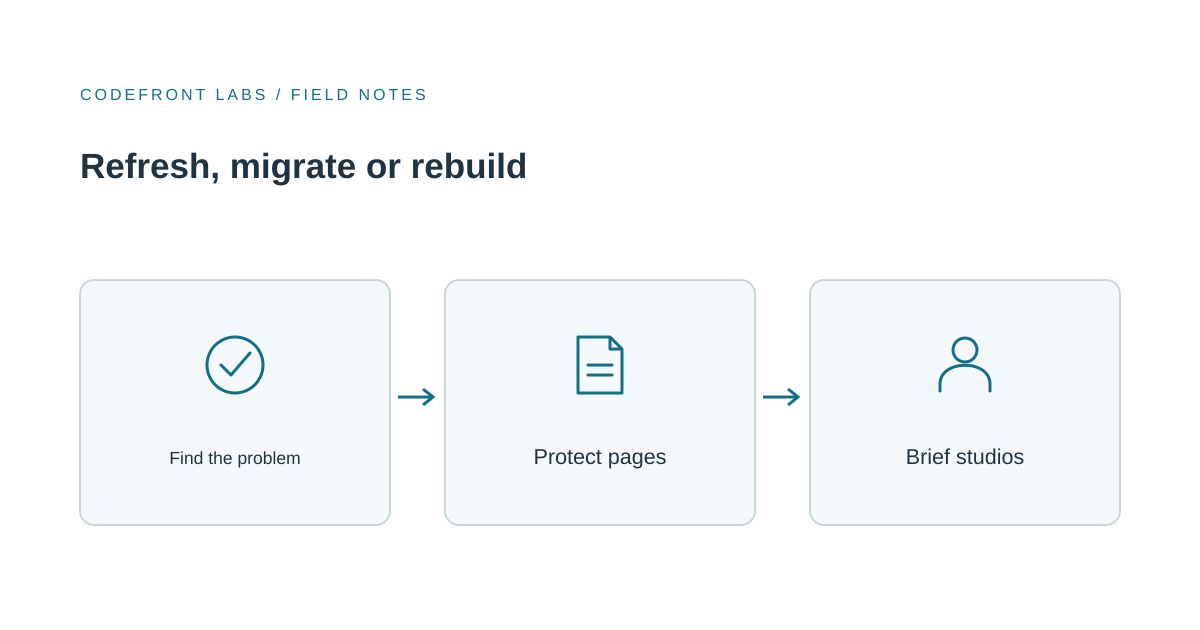
Edit the copy on the current site. Cheapest and fastest, with the least risk. It works when the structure is fine and the words are the problem. If you can't edit pages yourself, that's a signal about the next options.
Restructure the key pages. Reorder content, rework navigation, and add the missing answers to the pages people land on. This takes more effort than editing but keeps your platform and URLs. It fits when the content exists but is buried or scattered.
Move to a platform your team can edit. If every change needs a developer, updates stall and the site goes stale. A content management system that staff can use confidently may matter more than any redesign. The cost is migration work, so plan redirects and check that existing pages carry over properly.
Rebuild. Justified when the site is slow on phones in ways you can't fix, the structure fights what you need to say, or the platform can't support the inquiry path you want. It's the most expensive option and carries the most risk, because a rebuild with the same unclear offer just produces a better-looking version of the same problem. Settle the message first, then build.
A sensible order is to start at the top and move down only when the lighter option clearly can't solve the problem. Who will maintain the site afterward counts as much as the build cost.
Check where inquiries actually go
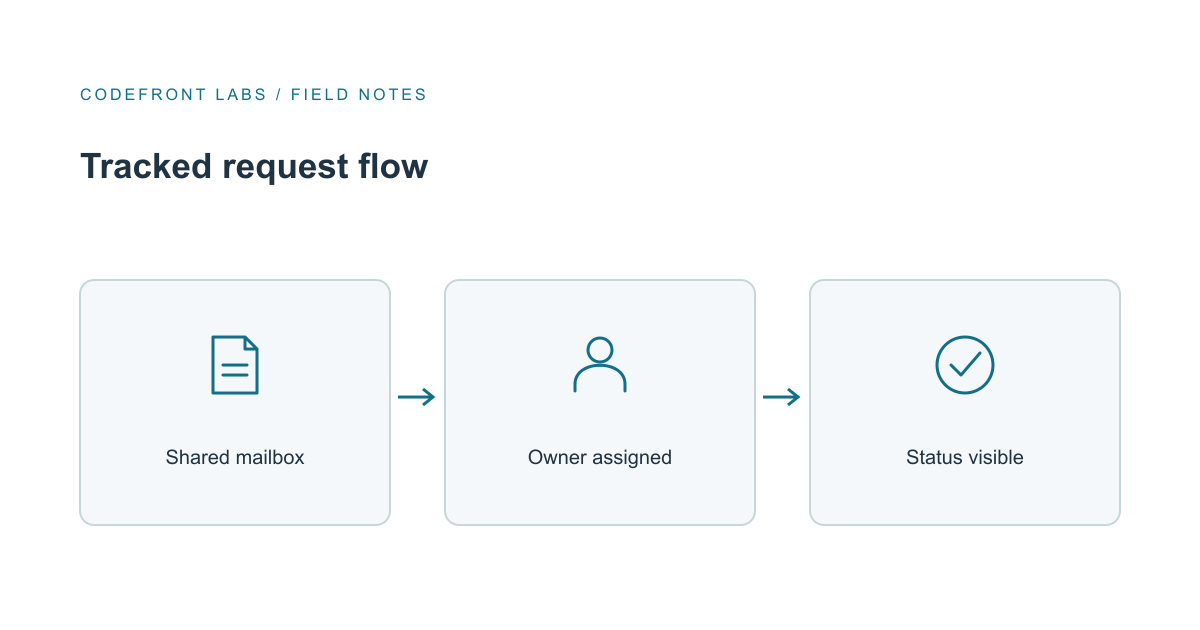
A surprising number of weak inquiry numbers hide a handoff problem. Submit your own form from a phone and trace it: where does it land, who sees it, how quickly does someone reply, and would anyone notice if it silently failed? If the form emails a mailbox nobody watches, or a broken field drops submissions, no copy change will help. Send a test inquiry regularly, make sure one named person owns replies, and confirm you'd get an alert if delivery broke. If inquiries then land in a shared inbox, our piece on when a shared inbox starts losing you business covers giving each request an owner.
What a better site can't do
A clearer site can't rescue an unclear offer, and it can't turn the wrong visitors into the right ones. If traffic comes from searches or sources that don't match what you sell, inquiries will stay low however good the pages are. Search visibility depends on useful content, competition and ongoing work, and no rebuild guarantees it.
So judge results against your own baseline. Before changing anything, record how many inquiries you get a month and which pages they come from. Change one thing at a time, then compare over a similar stretch.
If you're weighing an edit against a rebuild and want a second opinion, tell us which pages people land on and what prospects ask before they call. Our website development service covers new sites and replacing ones that are hard to use or maintain, and often the honest advice is to fix the copy first.
Prepared with AI-assisted research and writing, with automated editorial checks before publication.